
The evolution of gambling throughout history A journey through time
The Origins of Gambling
The history of gambling traces back to ancient civilizations, where the act of wagering on outcomes was first documented. Archaeological evidence indicates that the earliest forms of gambling appeared in China around 2300 BC, with rudimentary games involving dice made from animal bones. These primitive games laid the foundation for more structured forms of gambling that would evolve over the centuries, reflecting societal interests and technological advances. Today, platforms like BSB007 casino offer modern takes on these historical games, allowing players to experience the thrill of gambling conveniently.

In addition to China, ancient cultures such as the Greeks and Romans engaged in various gambling activities. The Greeks utilized dice games, while the Romans popularized betting on chariot races and gladiatorial contests. The presence of these games highlights how gambling was intertwined with entertainment and social status, allowing participants not just to win money but also to demonstrate their bravado and societal standing.
As societies evolved, so did the mechanisms of gambling. In medieval Europe, the invention of playing cards introduced a new dimension to gambling. Originating from Asia, playing cards arrived in Europe in the 14th century, leading to the development of card games that would become staples in gambling houses. This shift showcased the human tendency to seek entertainment through games of chance and strategy, further solidifying gambling’s place in culture.
The Rise of Formal Casinos
The 17th century marked a significant turning point in the evolution of gambling, with the establishment of formal casinos. The first recorded casino, the Ridotto, opened in Venice in 1638, providing a regulated environment for gambling. This venue not only offered games but also emphasized luxury and socializing, setting the stage for the modern casino experience. The concept of a designated space for gambling became an appealing attraction for the upper classes, drawing in crowds looking for both entertainment and social validation.
As gambling spread throughout Europe, cities like Monte Carlo and Paris began to develop their own renowned casinos. These establishments were often lavishly decorated, featuring sophisticated games that appealed to the wealthy elite. The allure of high-stakes gaming environments was further amplified by the excitement of chance and the possibility of winning large sums of money, captivating players from various social strata.
The rise of casinos not only altered gambling dynamics but also attracted the attention of governments, leading to regulated gambling systems. By implementing taxes and licenses, governments sought to control the activities within these establishments while benefiting economically. The regulation era introduced a balance between entertainment and legality, significantly shaping how gambling would be conducted in future generations.
The Expansion into the Modern Era
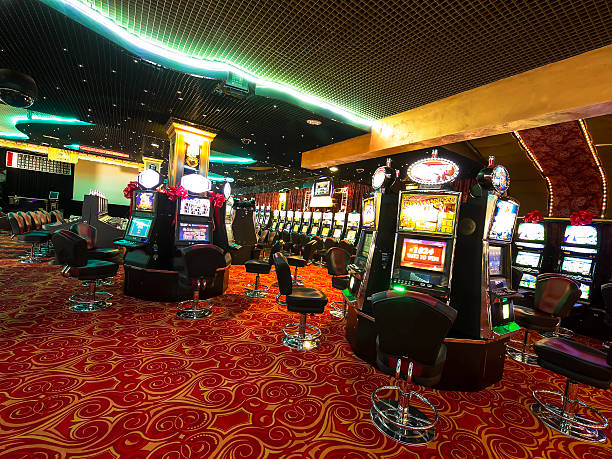
The 20th century brought dramatic changes to gambling as technological advancements paved the way for new opportunities. The introduction of slot machines in the late 19th century revolutionized the gambling landscape, offering players a chance to win without the need for skills or strategies. These machines quickly became a staple in casinos, attracting a broad audience and changing the way people engaged with gambling.
The post-World War II period saw an explosion of casinos, particularly in Las Vegas, where a combination of liberal gambling laws and a booming tourism industry transformed the city into the gambling capital of the world. The iconic Las Vegas Strip became synonymous with extravagant entertainment, featuring not just gambling but also concerts, shows, and fine dining. This era cemented the idea that casinos could serve as multifaceted entertainment hubs.
The modern era has also witnessed the rise of online gambling, a phenomenon that began in the late 1990s. Online platforms allowed players to access their favorite games from the comfort of their homes, further democratizing the gambling experience. This shift has not only expanded the reach of gambling but also introduced new challenges in terms of regulation and responsible gaming, prompting discussions about the future of gambling as technology continues to evolve.
The Cultural Impact of Gambling
Throughout history, gambling has influenced culture in profound ways. It has inspired literature, art, and even music, reflecting society’s fascination with luck, chance, and risk-taking behavior. Famous literary works, such as Dostoevsky’s “The Gambler,” explore the psychological aspects of gambling, providing insight into the motivations behind why people gamble. These narratives resonate across generations, showcasing the timeless allure of the gamble.
Moreover, gambling has been interwoven with various cultural rituals and practices. In some cultures, betting on outcomes of sporting events is viewed as a rite of passage, while in others, games of chance are integral to social gatherings and celebrations. The cultural significance of gambling highlights its role in bringing people together and fostering community bonds through shared experiences and excitement.
As gambling continues to evolve, its cultural implications remain relevant. The rise of online casinos has brought gambling into everyday life, appealing to younger generations who seek instant access and convenience. However, this transformation raises questions about responsible gaming and the potential for addiction, making it crucial to find a balance between enjoyment and safety in the ever-changing landscape of gambling culture.
Modern Gambling Platforms and Trends
The advent of online gambling has created a new frontier for the industry, providing players with a plethora of options beyond traditional brick-and-mortar casinos. Modern platforms offer an extensive selection of games, ranging from classic slots to live dealer experiences, catering to diverse tastes and preferences. This shift has made gambling more accessible, allowing players from various backgrounds to engage with their favorite games anytime, anywhere.
Alongside the expansion of online platforms, the industry has witnessed the emergence of innovative technologies like virtual reality and blockchain. These advancements not only enhance the gaming experience but also introduce new levels of security and transparency. Players can now enjoy immersive environments, where they can interact with both the game and other players, creating a more engaging experience compared to traditional gambling.
Responsible gaming initiatives have also gained prominence in this new landscape. Many online casinos are prioritizing player safety by implementing features that promote healthy gaming habits. These measures include self-exclusion options and deposit limits, ensuring that players can gamble in a safe environment. As the gambling industry continues to evolve, maintaining a focus on responsible gaming practices will be essential for sustaining player trust and safety.